

Equipment Needed for Gold Prospecting
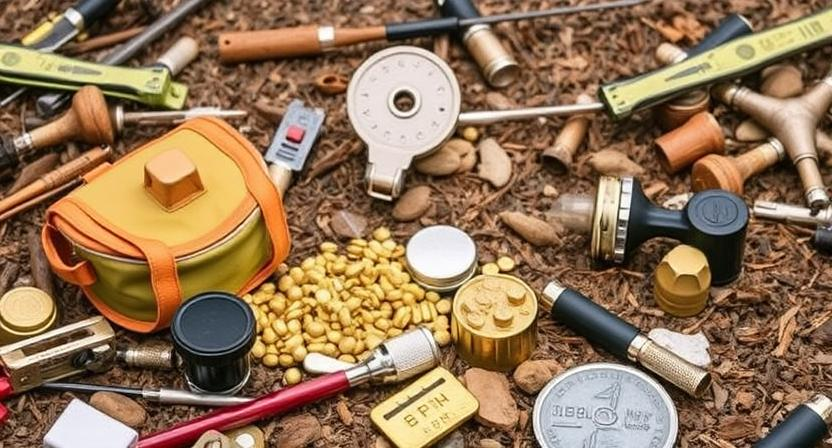
Gold prospecting requires specific equipment to effectively search for gold deposits. Some essential tools for this activity include a gold pan, a shovel, a classifier, and a snuffer bottle. A gold pan is used to separate gold from sediment, while a shovel is necessary for digging and moving earth. A classifier helps to separate larger rocks from smaller material, making the panning process more efficient. A snuffer bottle is used to retrieve tiny gold particles after they have been separated from other sediments.
In addition to these basic tools, prospectors may also need a crevice tool for accessing hard-to-reach areas, a magnifying glass for inspecting potential gold specimens, and a vial to store any gold found. It’s important to ensure that all equipment is in good working condition before heading out to prospect for gold, as having the right tools can greatly increase the chances of success in this venture.
• Gold pan: used to separate gold from sediment
• Shovel: necessary for digging and moving earth
• Classifier: helps to separate larger rocks from smaller material
• Snuffer bottle: used to retrieve tiny gold particles after separation
In addition:
• Crevice tool: for accessing hard-to-reach areas
• Magnifying glass: for inspecting potential gold specimens
• Vial: to store any gold found
It is crucial that all equipment is in good working condition before embarking on a gold prospecting journey. Having the right tools can significantly enhance the chances of success in finding valuable deposits.
Researching Potential Gold-bearing Areas
When considering where to begin your gold prospecting journey, it is crucial to conduct thorough research on potential gold-bearing areas. Start by exploring geological maps, historical mining records, and reports from government agencies to identify locations with a history of gold deposits. Look for regions known for gold-bearing rock formations such as quartz, greenstone, and schist, as these are often associated with gold mineralization.
Additionally, seek out information on the topography of the area, paying attention to indicators such as exposed bedrock, mineral veins, and placer deposits that can suggest the presence of gold. Consult with local miners, geologists, and experienced prospectors to gain valuable insights into promising locations and learn about any regulations or restrictions that may apply to prospecting in the area. Conducting thorough research will not only increase your chances of finding gold but also enhance your overall prospecting experience.
• Geological maps, historical mining records, and government reports are valuable sources of information
• Look for regions with gold-bearing rock formations like quartz, greenstone, and schist
• Consider topographical indicators such as exposed bedrock, mineral veins, and placer deposits
• Consult with local miners, geologists, and experienced prospectors for insights
• Learn about any regulations or restrictions that may apply to prospecting in the area
Understanding Geological Indicators of Gold Deposits
Geological indicators play a crucial role in the successful discovery of gold deposits. One significant indicator is the presence of quartz veins, as gold often forms along with quartz in mineralized areas. These veins can vary in size and shape, but their presence can signal potential gold-bearing zones worth exploring further.
Another important indicator is the presence of iron-rich minerals like pyrite and chalcopyrite, as gold is often found in association with these minerals. Understanding the geological formations and processes that lead to the formation of gold deposits can provide valuable insights into where gold may be located. Paying attention to geological clues such as rock types, structures, and mineral associations can greatly enhance your chances of finding gold in your prospecting endeavors.
• Quartz veins are a significant indicator of potential gold deposits
• Presence of iron-rich minerals like pyrite and chalcopyrite can signal the presence of gold
• Understanding geological formations and processes can provide valuable insights into locating gold
• Paying attention to rock types, structures, and mineral associations can enhance chances of finding gold
Learning How to Read a River or Stream for Gold
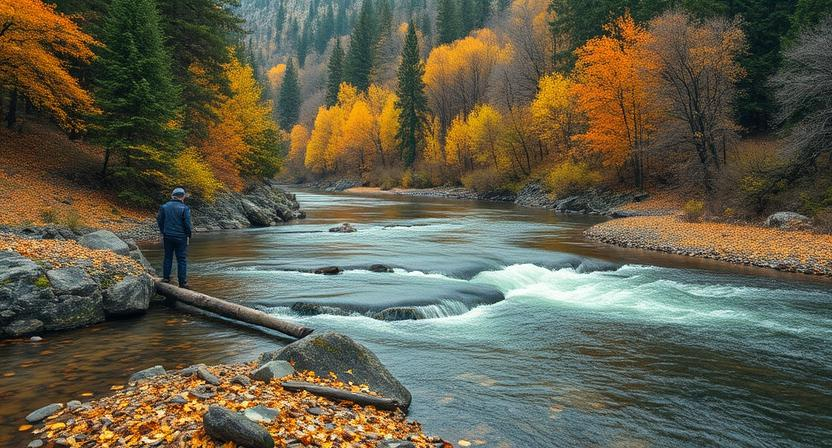
When prospecting for gold in rivers or streams, it’s crucial to observe the physical characteristics of the waterway. Look for areas where the flow slows down, such as inside bends, behind large rocks, or at the base of waterfalls. Gold is heavier than most other materials in the streambed, so it tends to settle in these calmer areas. Additionally, pay attention to where the water has eroded the banks, as gold can accumulate in these depressions.
Another important aspect to consider when reading a river or stream for gold is the presence of bedrock outcroppings. Gold often gets trapped in the cracks and crevices of bedrock, so exploring these areas can yield promising results. Keep an eye out for any exposed bedrock along the water’s edge or beneath the surface. By carefully examining these geological features, you can increase your chances of finding gold deposits in rivers and streams.
• Look for areas where the flow slows down, such as inside bends or behind large rocks
• Pay attention to the base of waterfalls where gold can settle
• Notice where the water has eroded the banks, as gold can accumulate in these depressions
• Explore bedrock outcroppings where gold may be trapped in cracks and crevices
• Examine exposed bedrock along the water’s edge or beneath the surface
Identifying the Best Times to Search for Gold
When it comes to gold prospecting, timing can play a crucial role in your success. While gold can be found at any time of the year, there are certain periods that are considered more favorable for searching for this precious metal. One important factor to consider is the weather. In many regions, the best time to search for gold is during the dry season when rivers and streams are at lower levels, making it easier to access potential gold-bearing areas. Additionally, early mornings and late afternoons are recommended times to search for gold as the light can help you spot glimmers of gold more easily.
Another key aspect to consider when identifying the best times to search for gold is the time of year. Spring and fall are generally favored by many prospectors as the weather tends to be more moderate, making it more comfortable to spend long hours out in the field. During the summer months, higher water levels in rivers and streams may make it more challenging to access certain areas, while in winter, harsh conditions and frozen ground can limit your prospecting opportunities. By planning your gold hunting trips during the optimal seasons and times of the day, you can increase your chances of finding success in your search for this precious metal.
• Spring and fall are generally favored by many prospectors
• Dry season is ideal for searching for gold as rivers and streams are at lower levels
• Early mornings and late afternoons are recommended times to search for gold
• Summer months may have higher water levels making it challenging to access areas
• Harsh conditions in winter can limit prospecting opportunities
Obtaining Necessary Permits and Permissions

Before heading out for your gold prospecting adventure, it is crucial to ensure that you have obtained all the necessary permits and permissions required by local authorities. Failure to do so could result in fines or legal consequences. Research the specific regulations in the area where you plan to prospect and follow the guidelines to operate within the law. By obtaining the proper permits and permissions, you can enjoy your gold hunting experience without any unnecessary stress or disruptions.
Additionally, it is important to be aware of any restrictions or special considerations that may apply to the location where you intend to prospect for gold. Some areas may be off-limits due to environmental conservation efforts, cultural significance, or safety concerns. Take the time to familiarize yourself with any rules and regulations that pertain to the specific area you wish to explore. Respecting these guidelines not only ensures compliance with the law but also helps preserve the natural beauty and integrity of the land for future generations of prospectors.
• Research the specific regulations in the area where you plan to prospect
• Obtain all necessary permits and permissions before heading out
• Be aware of any restrictions or special considerations that may apply to the location
• Familiarize yourself with rules and regulations pertaining to the specific area
• Respect guidelines to preserve natural beauty and integrity of the land
Setting Realistic Expectations for Gold Finds
When venturing into the world of gold prospecting, it is crucial to set realistic expectations for the potential finds you may encounter. Understanding that gold prospecting is both a skill and an art can help manage expectations. While it is exciting to dream of striking it rich with a massive gold nugget, the reality is that successful prospecting often involves small finds that accumulate over time.
It is important to approach gold prospecting with a sense of patience and determination. Learning to appreciate the process of searching for gold, regardless of the quantity or size of the finds, can be immensely rewarding. Setting realistic goals for yourself, such as improving your prospecting skills or exploring new techniques, can help maintain motivation and enjoyment throughout your gold hunting adventures.
• When venturing into gold prospecting, manage expectations by understanding it is a skill and an art
• Small finds that accumulate over time are more common than striking it rich with a massive nugget
• Approach prospecting with patience and determination to appreciate the process
• Set realistic goals such as improving skills or exploring new techniques to maintain motivation
Exploring Different Methods of Gold Prospecting
Gold prospecting offers a variety of methods for enthusiasts to try their hand at uncovering the elusive metal. One common technique is metal detecting, which involves using a metal detector to search for gold nuggets or deposits buried underground. Metal detectors are widely used due to their portability and ability to cover large areas quickly. This method is particularly popular in areas with known gold mineralization, as it can efficiently pinpoint targets for further investigation.
Another method worth exploring is dry washing, which is ideal for prospecting in arid regions where water is scarce. Dry washing involves using a dry washer to separate gold from other sediments without the need for water. This method is effective in areas with fine gold particles that may be difficult to recover through traditional panning techniques. Dry washing can be a versatile and efficient way to prospect for gold in locations where water-based methods are not practical.
• Metal detecting is a common technique for gold prospecting
• Metal detectors are portable and can cover large areas quickly
• Ideal for areas with known gold mineralization to pinpoint targets efficiently
• Dry washing is effective in arid regions where water is scarce
• Uses a dry washer to separate gold from sediments without water
• Effective for recovering fine gold particles that may be hard to recover through panning
Learning Basic Gold Panning Techniques
Gold panning is a fundamental skill for any aspiring gold prospector. To begin, fill your pan with gravel and sand from a river or stream where gold may be present. Submerge the pan in the water and tilt it slightly downwards, allowing the rocks and lighter material to wash away. Gently swish the pan in a circular motion to help separate the heavier gold from the rest of the sediment. Continue this process, always keeping the pan under the water, until you are left with only the heaviest materials, including potential gold nuggets or flakes.
Once you have narrowed down your material to the heaviest components, carefully inspect the contents of your pan. Look for any glimmers of gold shining through the black sand and other heavy particles. To extract the gold, use a snuffer bottle or tweezers to remove it from the pan and transfer it to a safe container for storage. Remember, practice makes perfect when it comes to gold panning, so don’t be discouraged if you don’t strike it rich on your first try.
• Fill your pan with gravel and sand from a river or stream
• Submerge the pan in water and tilt it downwards to wash away lighter material
• Swish the pan in a circular motion to separate heavier gold from sediment
• Continue process until only heaviest materials remain, potentially including gold nuggets or flakes
After narrowing down your material to the heaviest components, carefully inspect your pan for any glimmers of gold. Use a snuffer bottle or tweezers to extract the gold from the pan and transfer it to a safe container for storage. Remember that practice makes perfect when it comes to gold panning, so keep trying even if you don’t find significant amounts of gold on your first attempt.
Understanding Sluicing and its Effectiveness in Gold Recovery
Sluicing is a popular method used by gold prospectors to recover gold from streambeds and river gravels. This technique involves the use of a sluice box, which is a long, narrow box with riffles or obstructions across the bottom. As water is passed through the sluice box, the heavier gold particles get caught in the riffles while the lighter materials wash away. This allows prospectors to separate the gold from the other sediments effectively.
One key factor in the effectiveness of sluicing for gold recovery is the proper setup and positioning of the sluice box. It is important to ensure that the sluice box is set at the correct angle and that the water flow is controlled to allow for optimal trapping of gold particles. Additionally, regular cleaning and maintenance of the riffles are essential to prevent clogging and ensure continued efficiency in capturing gold. When done correctly, sluicing can be a highly efficient method for recovering gold from rivers and streams.
• Sluicing is a popular method used by gold prospectors for recovering gold from streambeds and river gravels.
• The technique involves using a sluice box with riffles or obstructions across the bottom to catch heavier gold particles.
• Proper setup and positioning of the sluice box are crucial for effective gold recovery.
• Water flow control and regular cleaning of riffles are essential for optimal trapping of gold particles.
• When done correctly, sluicing can be highly efficient in separating gold from other sediments in rivers and streams.
Utilizing Metal Detectors for Gold Hunting
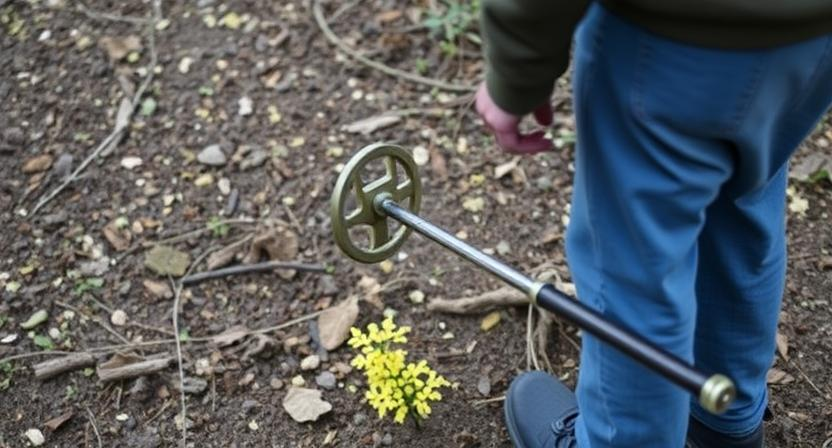
Metal detectors are valuable tools in the pursuit of finding gold. These devices work by emitting electromagnetic fields that can detect metallic objects buried beneath the surface, including gold nuggets and flakes. When using a metal detector for gold hunting, it is important to properly calibrate the settings to maximize sensitivity and minimize interference from surrounding minerals in the ground.
Before heading out to search for gold with a metal detector, it is essential to familiarize yourself with the specific model you are using. Each detector may have unique features and settings that can impact its performance in different environments. Practice using the metal detector in various terrains to gain experience in distinguishing between signals that indicate the presence of gold and those that may be distractions. By honing your skills with the metal detector, you can increase your chances of successfully uncovering hidden treasures during your gold prospecting endeavors.
• Properly calibrate the settings of the metal detector to maximize sensitivity
• Familiarize yourself with the specific model of metal detector being used
• Practice using the metal detector in various terrains to gain experience
• Distinguish between signals that indicate gold presence and distractions
By following these tips, you can enhance your gold hunting experience and increase your chances of finding valuable treasures hidden beneath the surface. Happy hunting!
Learning How to Use a Gold Pan Effectively
To use a gold pan effectively, start by filling it with gravel and sediment from a river or stream where gold deposits are likely to be found. Submerge the pan underwater and shake it vigorously, allowing the lighter materials to float away. Tilt the pan slightly and continue to agitate the contents to further separate the heavier materials, including gold, from the rest of the sediment.
Next, carefully swirl the pan in a circular motion, while ensuring that the water washes away any remaining dirt and gravel. This process helps to concentrate the heavy materials at the bottom of the pan, making it easier to spot any glimmers of gold. Slowly tip the pan forward, allowing water to flow over the edge while keeping the heavier materials in place. With practice and patience, you can master the art of using a gold pan effectively to increase your chances of finding precious gold nuggets.
• Fill the gold pan with gravel and sediment from a river or stream
• Submerge the pan underwater and shake vigorously to remove lighter materials
• Tilt the pan slightly to separate heavier materials, including gold
• Swirl the pan in a circular motion to concentrate heavy materials at the bottom
• Carefully wash away remaining dirt and gravel while swirling
• Slowly tip the pan forward to let water flow over while keeping heavier materials in place.
Understanding the Importance of Proper Material Classification
Proper material classification is a crucial aspect of effective gold prospecting. By sorting and separating the materials you collect during your search, you can increase the efficiency of your gold recovery process. When you classify materials by size and weight, you are able to focus on processing the gravels that are most likely to contain gold particles, saving time and effort in the long run.
Additionally, proper material classification can help prevent loss of fine gold during the panning or sluicing process. By removing larger rocks and debris before concentrating your efforts on the finer materials, you minimize the risk of valuable gold being washed away with the unwanted material. This methodical approach to classifying materials ensures that you are maximizing your chances of success in uncovering gold deposits while minimizing unnecessary work.
• Proper material classification is essential for effective gold prospecting
• Sorting and separating materials increases efficiency of gold recovery process
• Classifying materials by size and weight helps focus on processing gravels likely to contain gold particles
• Prevents loss of fine gold during panning or sluicing process
• Removing larger rocks and debris minimizes risk of valuable gold being washed away
• Maximizes chances of success in uncovering gold deposits while minimizing unnecessary work
Identifying Common Mistakes to Avoid in Gold Prospecting
One common mistake in gold prospecting is not doing enough research beforehand. Many beginners may head to random streams or rivers without understanding the geological indicators of gold deposits in that area. This lack of knowledge can lead to wasted time and effort, as well as disappointment in the results.
Another mistake to avoid is not properly classifying materials when panning for gold. Failing to remove larger rocks and debris from your pan can hinder your ability to effectively extract gold particles. It’s essential to take the time to classify materials correctly to increase your chances of a successful gold recovery.
• Not doing enough research beforehand can lead to wasted time and effort
• Properly classifying materials when panning for gold is essential for effective extraction
• Failing to remove larger rocks and debris from your pan can hinder gold recovery
Learning How to Safely Handle and Store Gold
When it comes to handling and storing gold, it’s crucial to prioritize safety and security. Gold is a valuable and precious metal that requires careful handling to avoid damage or loss. Whether you’ve found a small nugget while prospecting or acquired gold through other means, it’s important to treat it with the respect it deserves. Always wear gloves when handling gold to prevent any oils or dirt from your skin transferring onto the metal, which could affect its purity and appearance. Additionally, store your gold in a secure and fireproof container to protect it from theft, damage, or accidental loss.
Properly storing gold also involves considering factors such as temperature and humidity. Gold is a relatively stable metal, but extreme temperature changes or high humidity can impact its condition over time. To maintain the quality of your gold pieces, store them in a cool, dry place away from direct sunlight. Avoid storing gold in areas prone to temperature fluctuations, such as attics or basements, as this can lead to condensation and potential damage to the metal. By taking these precautions, you can ensure that your gold remains in pristine condition for years to come.
• Always wear gloves when handling gold to prevent transfer of oils or dirt
• Store gold in a secure and fireproof container to protect from theft, damage, or loss
• Keep gold pieces in a cool, dry place away from direct sunlight
• Avoid storing gold in areas prone to temperature fluctuations such as attics or basements
Understanding the Environmental Impact of Gold Prospecting

Gold prospecting, while exciting and potentially rewarding, can have significant environmental impacts if not conducted responsibly. The use of heavy machinery, chemicals, and excavation techniques can disrupt ecosystems, damage vegetation, and disturb wildlife habitats in gold-bearing areas. Additionally, sediment runoff from mining activities can pollute waterways, affecting water quality and aquatic life downstream.
It is crucial for gold prospectors to prioritize environmental stewardship by adopting practices that minimize harm to the natural surroundings. This includes proper waste management, reclamation of disturbed land, and adherence to regulations designed to protect the environment. By promoting sustainable mining practices and conservation efforts, prospectors can enjoy the thrill of hunting for gold while preserving the ecological balance of the surrounding landscapes.
• Improper gold prospecting can disrupt ecosystems, damage vegetation, and disturb wildlife habitats
• Sediment runoff from mining activities can pollute waterways and affect aquatic life downstream
• Environmental stewardship is crucial for responsible gold prospecting
• Practices such as proper waste management and land reclamation help minimize harm to natural surroundings
• Adherence to regulations designed to protect the environment is essential
• Promoting sustainable mining practices and conservation efforts preserves ecological balance
Joining a Local Gold Prospecting Club or Group
If you’re looking to enhance your gold prospecting skills and connect with like-minded individuals, joining a local gold prospecting club or group can be a beneficial step. These clubs offer opportunities to learn from experienced prospectors, share knowledge, and explore new techniques in a supportive and communal environment. Being part of a club or group can provide you with access to valuable resources, such as group outings to gold-bearing areas, guest speakers, and workshops on various prospecting methods.
In addition to the educational aspect, joining a local gold prospecting club or group can also offer a sense of camaraderie and camaraderie that comes with sharing a common interest. You’ll have the chance to meet fellow enthusiasts who share your passion for gold hunting and may even form lasting friendships along the way. These clubs often organize social events, competitions, and group prospecting trips, making the entire gold hunting experience more enjoyable and rewarding.
– Joining a local gold prospecting club or group can enhance your skills and connect you with like-minded individuals
– Clubs offer opportunities to learn from experienced prospectors, share knowledge, and explore new techniques in a supportive environment
– Access valuable resources such as group outings to gold-bearing areas, guest speakers, and workshops on prospecting methods
– Provides a sense of camaraderie by meeting fellow enthusiasts who share your passion for gold hunting
– May lead to forming lasting friendships and participating in social events, competitions, and group prospecting trips
Seeking Advice and Tips from Experienced Prospectors
When venturing into the world of gold prospecting, seeking advice and tips from experienced prospectors can be invaluable. These individuals have spent countless hours in the field honing their skills and learning the intricacies of finding gold. Their wealth of knowledge can help you avoid common pitfalls, improve your techniques, and increase your chances of success.
Experienced prospectors can offer insights on where to search for gold, what equipment works best in specific conditions, and how to read the subtle signs of potential gold-bearing areas. By tapping into their expertise, you can fast-track your learning curve and gain confidence in your prospecting abilities. Don’t hesitate to reach out to seasoned prospectors for guidance and mentorship as you embark on your own gold hunting adventures.
• Seeking advice and tips from experienced prospectors is invaluable in the world of gold prospecting.
• Experienced prospectors have spent countless hours honing their skills and learning how to find gold.
• Their knowledge can help you avoid common pitfalls, improve your techniques, and increase your chances of success.
• They can offer insights on where to search for gold, what equipment works best, and how to read signs of potential gold-bearing areas.
• By tapping into their expertise, you can fast-track your learning curve and gain confidence in your abilities.
• Don’t hesitate to reach out to seasoned prospectors for guidance and mentorship as you start your own gold hunting adventures.
Keeping Detailed Records of Your Gold Prospecting Adventures
Detailed record-keeping is a crucial aspect of successful gold prospecting endeavors. By maintaining thorough and accurate records of your prospecting adventures, you can track your progress, learn from past experiences, and optimize your future prospecting efforts. These records can include information such as the location of where you searched for gold, the equipment used, the techniques employed, any notable geological features observed, and the results obtained.
Recording details like the time of day, weather conditions, and any special circumstances during your prospecting outings can provide valuable insights into patterns and trends that may affect your gold-finding success. Additionally, keeping track of your expenses, permits acquired, and permissions obtained is essential for staying organized and compliant with regulations. Overall, meticulous record-keeping not only serves as a practical tool for improving your prospecting skills but also adds a layer of accountability and professionalism to your gold hunting endeavors.
• Location of where you searched for gold
• Equipment used during prospecting
• Techniques employed to find gold
• Notable geological features observed
• Results obtained from each prospecting adventure
Keeping track of the time of day, weather conditions, and special circumstances during outings can provide insights into patterns affecting success.
Recording expenses, permits acquired, and permissions obtained is essential for organization and compliance with regulations.
Meticulous record-keeping serves as a practical tool for improving prospecting skills and adds professionalism to gold hunting endeavors.
Celebrating Small Wins and Enjoying the Process of Gold Hunting
Celebrating small wins while engaging in the exhilarating pursuit of gold hunting can add a layer of excitement and motivation to your adventures. Whether you uncover a few specks of gold in your pan or successfully navigate a challenging area, taking the time to acknowledge these achievements can boost your morale and fuel your passion for the next prospecting excursion. Embracing these victories, no matter how modest they may seem, can enhance your overall experience and instill a sense of accomplishment in your gold hunting journey.
Additionally, relishing the process of gold hunting itself can transform the activity from a mere task into a fulfilling and enjoyable pastime. By immersing yourself in the natural surroundings, honing your prospecting skills, and appreciating the beauty of the landscapes you traverse, you can cultivate a deep sense of connection with both the earth and the timeless quest for precious metals. Embrace the moments of solitude, the rhythmic movements of panning or sluicing, and the anticipation of what each sift of sediment may reveal. Embrace the joy of exploration and the thrill of the unknown, allowing yourself to fully immerse in the enchanting world of gold hunting.
• Celebrating small wins can boost morale and motivation
• Acknowledging achievements, no matter how modest, enhances the overall experience
• Instills a sense of accomplishment in your gold hunting journey
• Relishing the process of gold hunting transforms it into an enjoyable pastime
• Immersing yourself in natural surroundings enhances the experience
• Appreciating the beauty of landscapes cultivates a deep connection with earth and quest for precious metals
• Embrace moments of solitude and rhythmic movements while prospecting
• Enjoy the anticipation of what each sift of sediment may reveal
• Fully immerse yourself in the enchanting world of gold hunting